Hey and hello! Welcome to my new subscribers, and thank you my regular readers. |
Writing Is a Habit
...but how to build that? Based on my own adventures I would set a target and aim to hit it every day for three weeks. Start small—just a few hundred words in week one. By week three, aim for a thousand. Miss an odd day? No disaster. Miss too many, and the habit slips from your grasp.
Why Words, Not Minutes
Why words, not minutes? Because staring at a blank page for ten minutes is no training at all. Words are the writer’s miles—our pounds or kilos on the bar.Consistency matters more than quality, at least for the first pass.Words on the page can be refined, and even when I change direction, I still have something to react against; imagination and inspiration often emerge from that act of resistance.Some days, a thousand words fly out in tens of minutes. Other days, a single scene drags for hours. The skill lies in learning to kill both—the easy flow and the hard slog—when they don’t serve the story.Quiller-Couch said, Kill your darlings—as I explored last week! As may recall, I believe, the darling can be the passage that felt brilliant to write and the one that cost time and tears. Both must go if they fail the test of serving the story.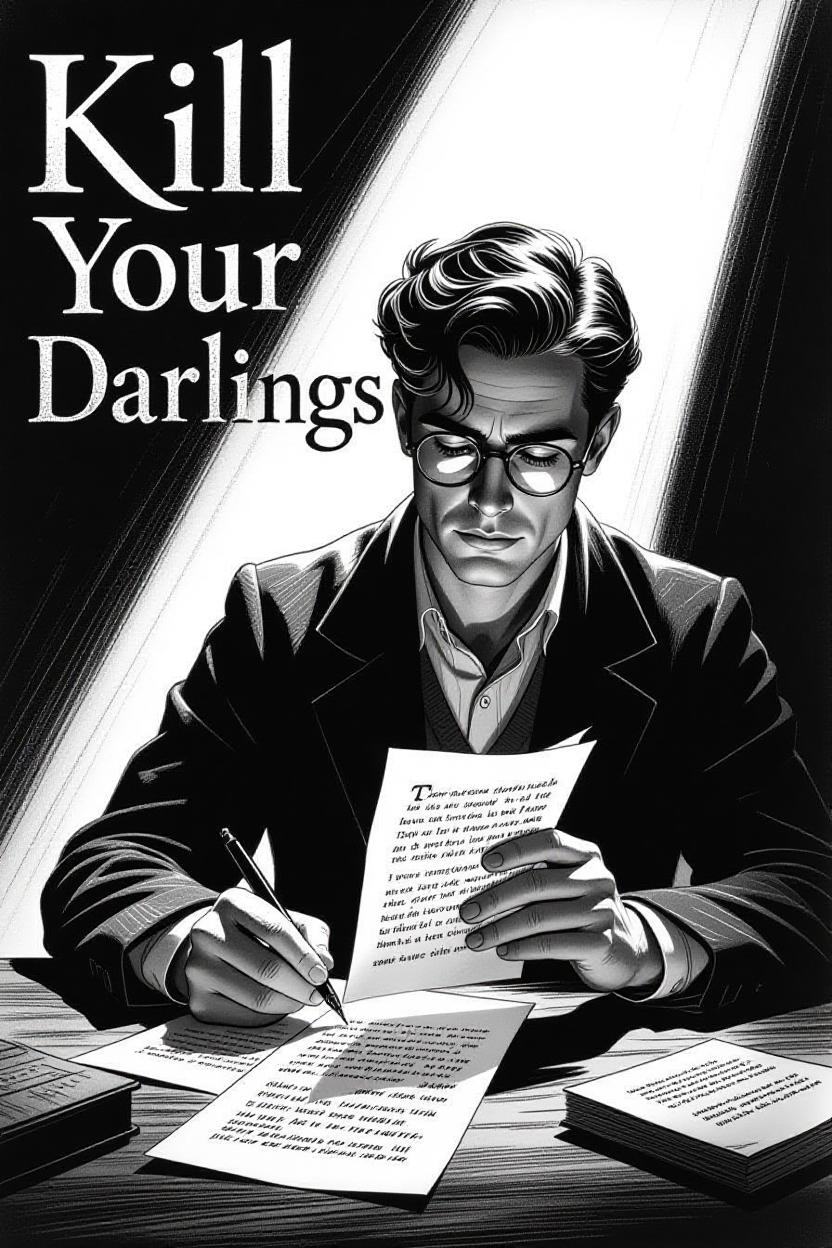
Building the Habit
Let’s assume that if twenty-one days go well, I can push to about two months, or sixty-six days. By three months, or a hundred days, most people will have formed a solid habit and internalised the process as part of who they are.It depends on what feels natural now. It’s not a hard target—you probably sense that—it’s just a discipline. Today I will write X words. Don’t stop until you do. Within reason, if an hour passes and you don’t even have sixty words, take a walk, a shower, or do something else.Then there are days when you fly past that target and keep going for thousands of words. Hitting the target is just the baseline..
Benchmarks
A few examples for length: a Telegram post allows about six hundred words. It’s based on keystrokes rather than exact word count, but that’s a good rule of thumb. After that, Telegram splits the lengthier submission into parts.Flash fiction—really short stories—often run around six hundred words, anywhere from two hundred to a thousand. For a while I wrote Flash Fiction and posted to Telegram.You can read some here!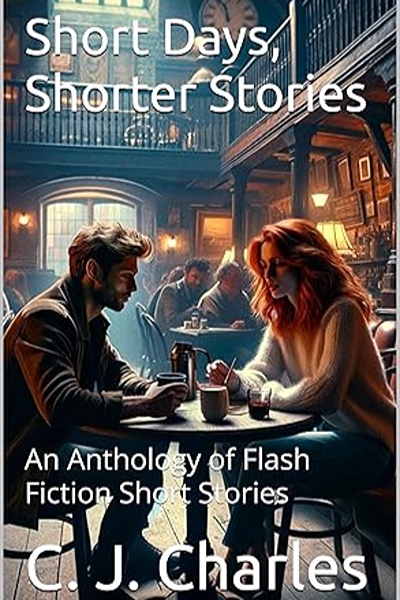
Short Days, Shorter Stories
...and Counting
A tabloid newspaper aims for three to six hundred words for a piece. A broadsheet averages eight hundred to fifteen hundred, and sometimes more for features.If you’re still unsure, write for a few days to see how much you naturally generate, then average that and raise the bar as time passes by adding a little more weight to your stack or miles to your route, whichever analogy speaks to you.
Beginnings
From experience, starting a project feels easier. My first serious attempts a novel length stories hit twenty thousand words before I ran out of steam. Hence for me I found the early days of writing gave a false sense of "this is easy". Be kind to yourself with your minimum target, especially at the beginning.My personal minimum goal is about a thousand words of finished material per day. That’s a higher bar because I don’t count everything else I write, and the material I excise out to get to my target.
News
Editing can, for me, be an immersive experience. I get lost in the story while working to correct errors. I'm better at spotting clunky prose than technical mistakes like waterlemons, so I rely on the kindness of strangers and good friends to see what I can't.I'm not sure where this week has gone!I hope to launch the prequel, a free-to-read novella titled The Spectral Detective: The Prequel: Into Darkness, next week.
Adieu
My problems with English are another story for another day.The Spectral Detective will be better for the effort. Still, the last advice I’d give myself is that genius lies in knowing when the story is finished—well, to be Biblical, very good meaning fit for purpose, not perfect, because if I aimed for that, I would never be finished.
Build the habit, and the story follows.