First things, I'm sorry for the formatting glitch in the last "Very Exciting Preview of a very exciting new story the day before tomorrow" email. The word spacing in places went awry—an unexpected corruption via copy and paste that I didn't see. It was late, and I very much had my "driving like an Italian" hat on. I missed it. I apologise to all the Italians who have built some fantastic cars and interesting tractors, as well as my readers.
So, housekeeping is out of the way, and how the business of making stuff up goes is my next stop.
I have to say I am pleased with the result. My primary focus remains the Prequel to Dragons Unleashed, with a tentative title, "Dragons' Whispers." The prologue and chapters one and two are complete, and I'm well into the third chapter of an anticipated five.
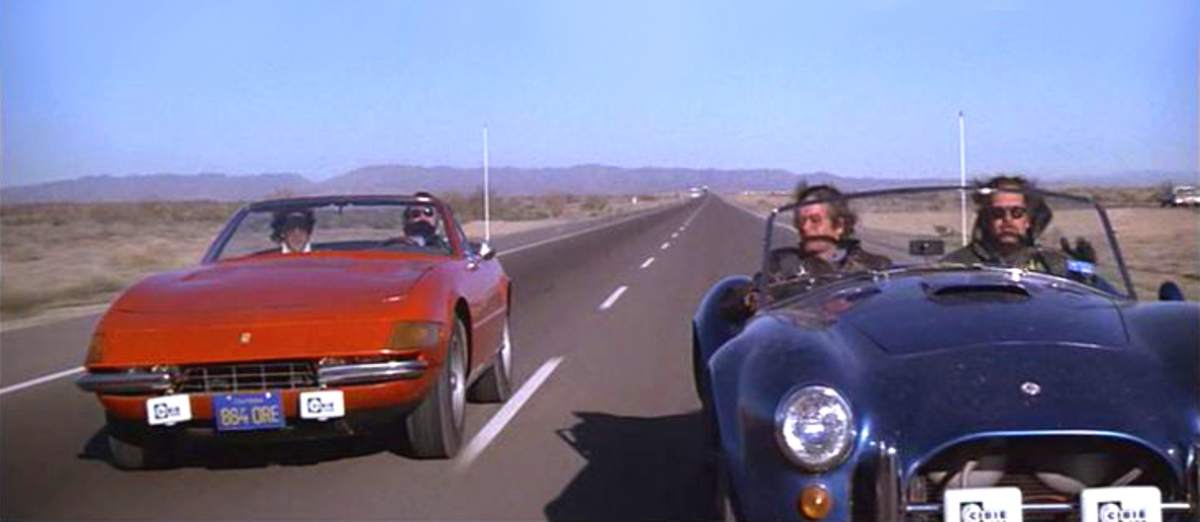
Polished writing is perhaps the opposite of "Italian Driving" as parodied by the Gumball Rally Movie, because what is behind me is important.
I am a product of the modern age that permits writing with the pedal to the metal, where typos and clunky prose don't matter. The immediate benefit is the story can surge forward into the next set of twists and turns.
I recall reading of Conan Doyle that his manuscript writing in cursive had next to no corrections, which for a child of the Word Processing age who learned to type on an Apple IIe is mind-boggling.
I once thought, indeed, back then, how much better is this present age, although I meant easier than the past.
Then again, to achieve that level of accuracy, I think, but cannot know, means Doyle wrote in his mind much of the story; first, whether supported by notes or even previous drafts, Sherlock Holmes was as right on the page in a technical sense as he proved to be in the fictional world centred around Baker Street.
What I can observe is that writing ad hoc and speeding toward my imagined conclusion, daydreaming on the page, has its limitations. I've mentioned before how I often ran out of steam short of a novel-length story, but there is another self-inflicted handicap: rewrites.
Don't get me wrong; rewriting and polishing, excising the unnecessary, and fixing weaker sentences, as well as grammar and spelling errors, are required. My first editions of Dragon's Unleashed, like many first author's self-published works—prove this.
However, I remember the creative process and how it went wrong. I found myself unsure of where to go next—writer's block—going back over what I had written.
This approach became, on occasion, a circular reductive process, where I did not create new material but reworked my wording to the point of overwriting the text—any gains were either small or often made matters worse.
There's a maxim about how the last 20% to near perfection takes more time and is harder graft than getting to 80%.
Knowing when the text is good enough is an important call to make.
May 16, 2025
Fantabulous Friday is here again.