Hey hello, and welcome to any new subscribers, and thank you my regular readers. |
“Right Said Fred,” sung by the late great Bernard Cribbins and produced by George Martin, who later worked with the Beatles, topped the UK Charts in 1962. A novelty song, whose humour lies in Cribbins’ deadpan delivery, describing the way the task of moving a piano spirals into absurdity. The verses end with work stopping, to have “a cup of tea.”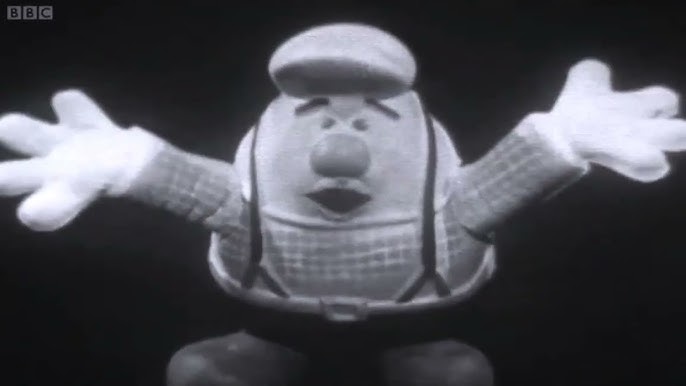
As I enjoy my first cup of tea, on what will be a busy Friday, of moving things, not pianos, although, been there—done that, but an old fridge and so a new fridge... I also reflect on a week of editing the Spectral Detectives’ two instalments so far: the prequel Into Darkness at ~18k and the first part of King in the Dark, a shorter novel of ~58k, and how filleting words works.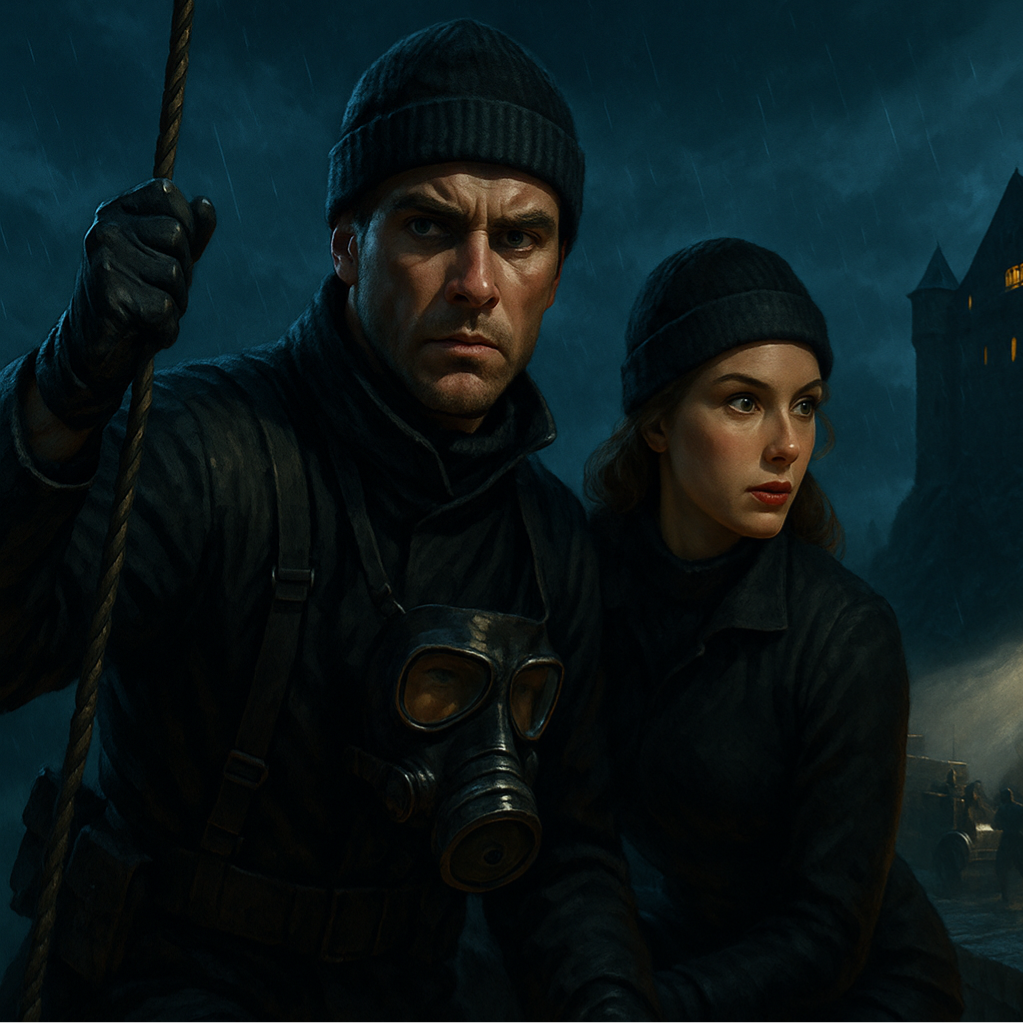
Into Darkness (Beta Copy!) | | 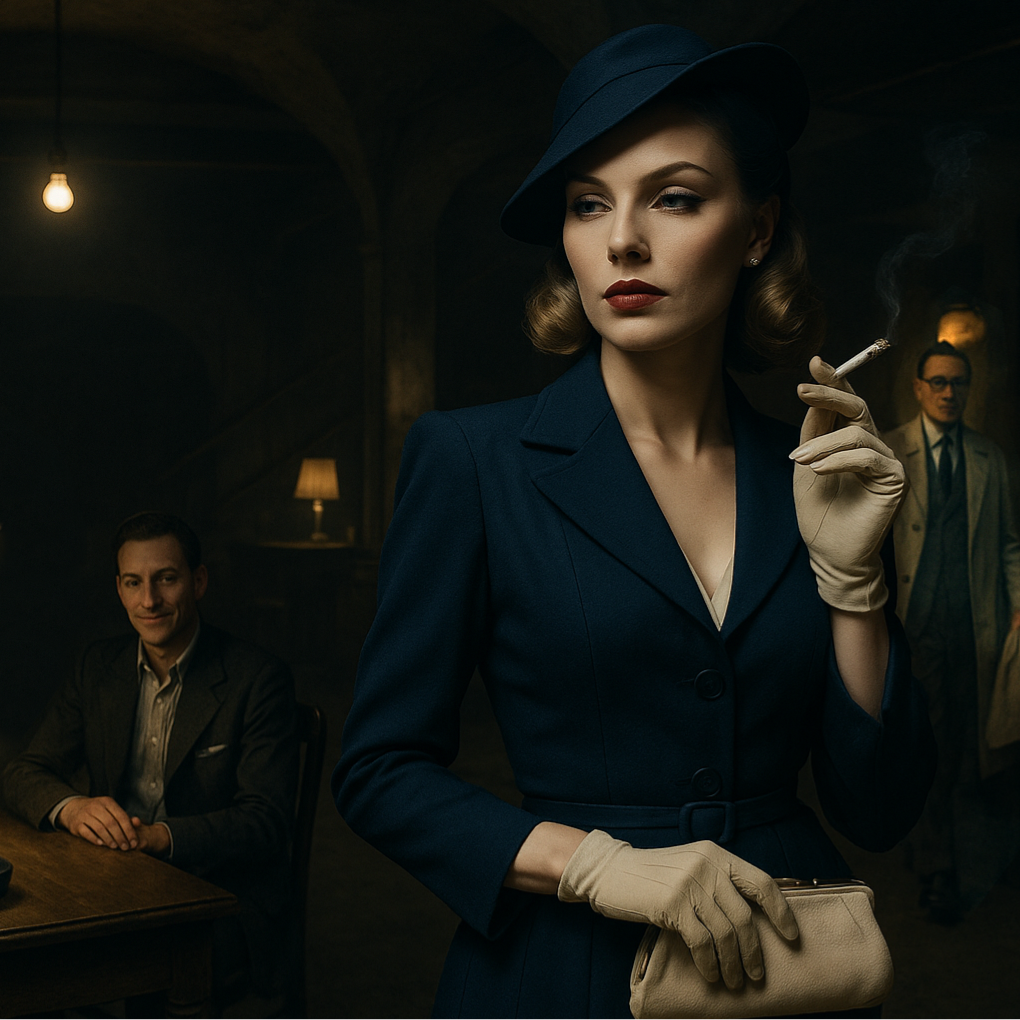
King in the Dark
Often attributed to William Faulkner is the advice “In writing, you must kill all your darlings”, though a similar suggestion appears earlier from Arthur Quiller-Couch, “murder your darlings”. I understand a "darling" to be text I enjoyed writing, or conversely, struggled to write. During editing I still need to ensure that my clever turn of phrase or the hard-won lines really work. Does my prose advance the story, or slow it down?
For me, it’s harder to cut out a line or paragraph I sweated over than one that rolled off my imagination with ease and felt smart at that time, but both can be darlings.
Still, writing advice, however good, can get lost in translation, or perhaps in darling speak, can, by inept application, result in suboptimal outcomes. For hobby writers, the young and young at heart, starting out by finding their voice, good advice can, if ineptly applied, become a bad habit.
And a habit is a particular kind of darling, a treasure of a kind, subtle and invisible, at least to me, because it’s so everyday, I forget that's how *I* like it to be.
Thanks to a friend beta-reading my Spectral Detective texts, I realised I’d taken the good advice to default to “said” when tagging dialogue, and for a long time I made a bad habit out of it.
The writing maxim goes...“Said is so common that the eye glides over it.” Hence, “said” doesn’t draw attention away from the dialogue itself, in a way that more dramatic dialogue tags might.But does it?
Variations on “he said” and “she said” can become repetitive to the reader when used too often. You might think I just said the obvious. Of course, “said,” like any word, can be said too much.How then did I miss all those saids?I didn’t see “said, rather “said” disappeared from my mind’s eye view, in the main because I believed the story.“My eye gliding over it—always,” he said.True belief is a powerful thing....And yes, I’ve repeated ‘said’ here on purpose, to the point of absurdity, but I’m sure you get the point, said doesn’t always disappear.
Or on other occasions, I’d use “said” in simple two-person back-and-forth dialogue.The advice is still sound. Said is better than “exclaimed,” “whispered,” or “growled,” as it doesn’t impose an interpretation. Instead, the writer must ensure the dialogue conveys the tone to the reader, i.e. write better.Still, “said” is only needed when the speaker is unidentified or unclear, so, in dialogue between three or more parties. Even here, action tags can often do the work in a more interesting and compelling way.
In fact, I think the advice should be to use action tags first. Use dialogue tags sparingly. Use “said” in preference to others, or sometimes asked, and only on occasion, as necessary, “shouted” or “whispered”.
...And when the edits stall, well—time for a cup of tea.”
October 17, 2025
Filleting Friday