Writing the Spectral Detective comes with various challenges. The 1940s are both a familiar foretime, but in many ways, also very different.When the writer invokes something in the wrong place and time, it’s called an anachronism.I haven’t mentioned my Vampire story idea for a few weeks now, because the Spectral Detective project has taken centre stage. Both take place in the past; the former, from 1639 onwards, and the latter, which opens in 1943, primarily occurs in 1945 and thereafter—in due course. Both contain elements that I could describe as Science Fiction meets Hard Fantasy.
Historical fiction begs authenticity. How then can fantastic elements, like magic, or technology indistinguishable from magic, work inside what we know or at least believe, happened in the past?I use the term “grey history” to describe fiction created in the space beyond what we know or at least believe to have happened in the past.As a writer pushes further back in time, there’s less written history, which allows more space for making up events, places, and people. The further back we travel, the more freedom emerges, even to “A long time ago in a galaxy far, far away....”
While a High-Fantasy-esque story like my Chronicles of Erock Series may seem unrelated to a historical fiction story set in 1945, in my mind, both occur in “grey history” and even the same broader universe of my head-canon.In Dragons Unleashed and its free to read prequel, Dragon’s Shadows, I created a fantasy world set before the Great Flood of Noah. The antediluvian age gave me almost a clean slate on which to chalk out my world.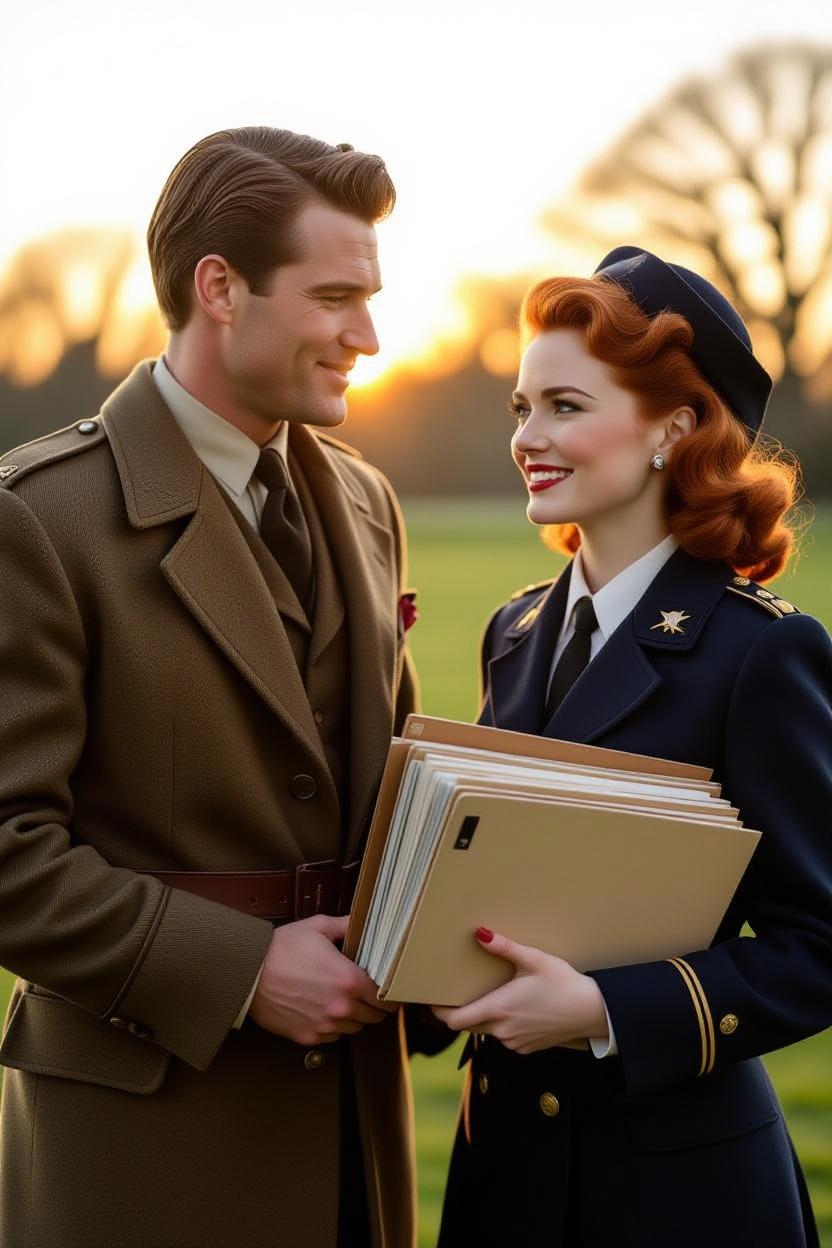
In some respects, writing a story set closer in time, say 1943 or 1945 for the Spectral Detective, is easier. The closer in time to the present, the greater the volume of records and the easier access to historical information becomes. The last century saw the widespread adoption of photography and cinema; the latter, perhaps, is the closest we come to a time machine. Still, if I aim to be realistic and avoid anachronistic technology or language, I must research this wealth of information to do my best and try to get it right.In strict terms, any historical fiction novel is an alternate history.Not the out-and-out Alternative History genre, such as Philip K. Dick’s Man in the High Castle or Robert Harris’ Fatherland, but still, Victor Hugo created The Hunchback of Notre-Dame, and a certain David Balfour did not find himself Kidnapped, except in Robert Louis Stevenson’s imagination.In vanilla historical fiction, the writer constrains the story so that it doesn’t break away in a jarring way from recorded history.Even if the writer uses more fantastical elements in their novel, say for example Jonathan Strange & Mr Norrell by Susanna Clarke, the events of the story, for reasons, do not change the essential events of recorded history, in this example the Napoleonic War Period—at least in a way that a casual reading of say an article in Wikipedia, would not leave the reader thinking, “there’s no way that could have happened.”In an absolute sense, Captain Arthur King is an anachronism, as King didn’t exist in 1945; yet, I must mention real people against the backdrop of genuine events. I strive to write the Spectral Detective so that a reader can suspend disbelief and enjoy a story that does not alter history in a way that disrupts their experience travelling back to the 1940s, where a blind man can see more than he
| The Spectral Detective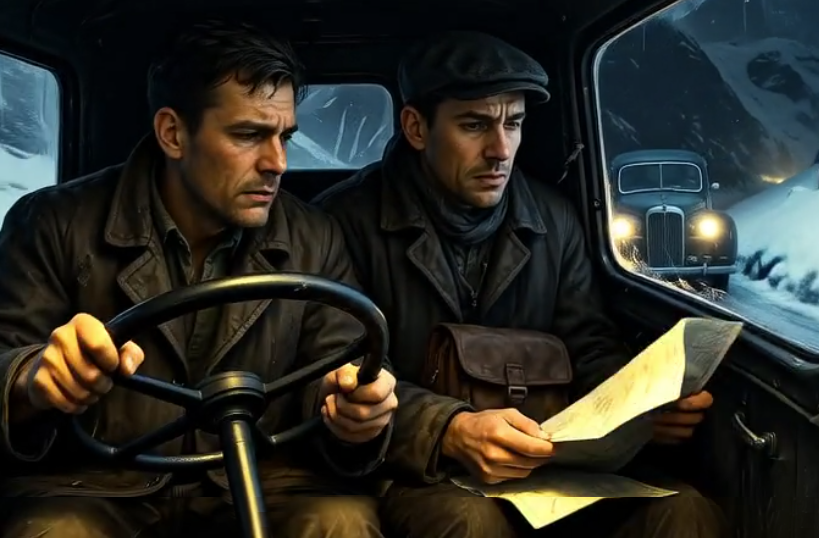
The prequel: Into Darkness is still available to those wanting to be Beta Readers
The novel King in the Dark will arrive in two parts, the first is finished, bar editing for spelling and grammar errors, and will be available for Beta Readers, probably next week!