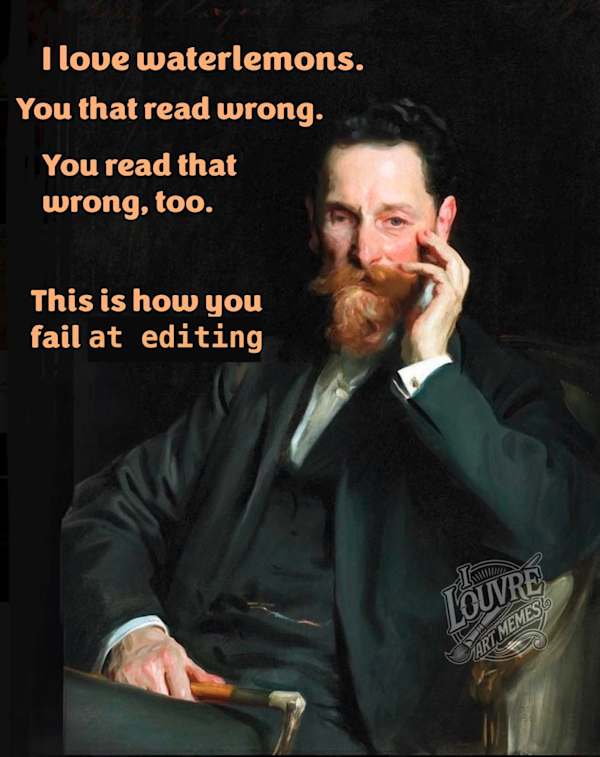
Hello fellow travellers and hi to new subscribers.Welcome one and all to another Friday Newsletter.I’m busy and I’m at the effective end of the prequel novella to the Spectral Detective Series, called “Into Darkness”.There’s some tidying to do in the last handful of chapters, and the usual check... |
|
...for waterlemon errors.
Into Darkness
Prequel to the Spectral Detective Series
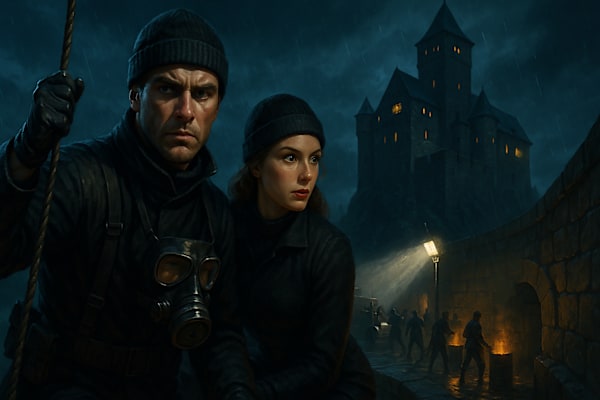
Into Darkness thrusts a battle-hardened operative into a WWII mission where ancient relics spark spectral chaos. Think Jack Reacher’s grit, James Bond’s daring, and Indiana Jones’ relic-hunting bravado in a shadowy world of ghosts and secrets...Next week, I should have an idea when I can make it available for beta readers.Then, it’s full throttle to complete the first novel, which is titled “King in the Dark”.
Earlier in the week, a friend and I chatted about writing styles, and how the dominant style, of say Charles Dickens and Jane Austen, the omniscient third person narrator, with heavy exposition.
Tale of Two Cities (1859)—“It was the best of times, it was the worst of times…”—is an example of exposition and the use of “was” that would likely get flagged by modern writing tools.
Death of Boromir
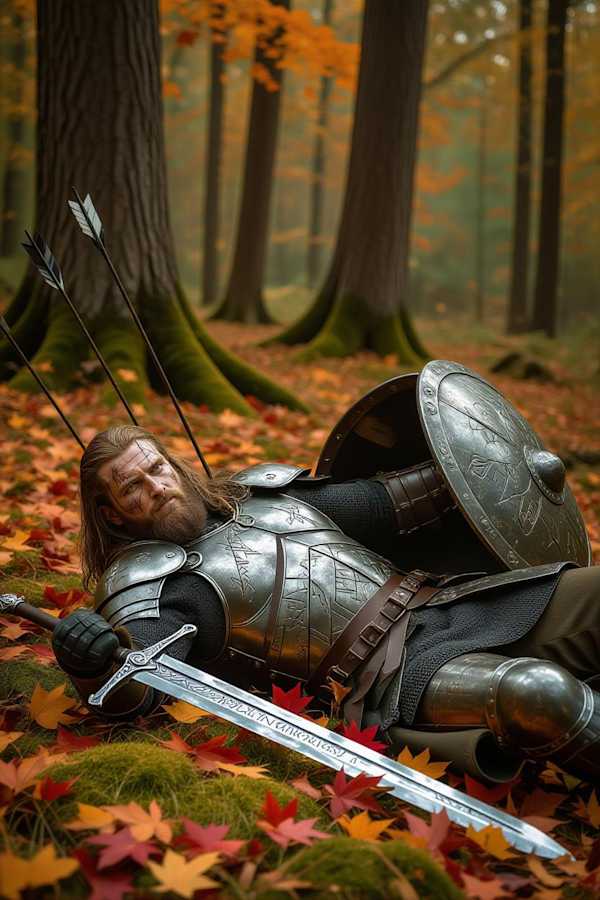
Still, fashions change. Would Tolkien get published today? Or would the Professor be told to rewrite Boromir’s death scene? (The Two Towers: Book III, Chapter 1) Asked to show it—because it’s told in hindsight. Exposition via Aragorn’s summary. It's not shown in real-time combat, as in the Movie. They say today that telling in retrospect is really weak...Looking back at my formative reading, early teens thrillers like the Bourne Identity, or sweeping Wilbur Smith stories, SF classics and a steady intake of TV and film, I see the shift having taken place.
A little before I found Tolkien hard work. I read The Hobbit at the target age... I guess around 9 or 10, but moving on to the Lord of the Rings at that age, I DNF’d it (Did Not Finish) in the middle of the second book. IIRC, I remember finding the story boring.
I did finish LOTR a few years later. Still a “young adult” before that was a thing, busy reading SF and fantasy + thrillers. However at 15/16, I would have honestly reported I preferred The Chronicles of Thomas Covenant or Dune. Not sure I’d say that now.
Now I am listening to Lee Child, and now I listen more than I read if only because I can listen while doing other things.
Is that radically different to reading?
I’m not sure.
It is different.
Is that meaningful?
Or distinction without a meaningful difference, I’m not sure.
Lee Child’s first novel is great. It’s first person, although most, but not all, of the Reacher series are third person. (maybe 3 of the ~20).Even in third person, Child writes like it’s first, narrating Jack’s thoughts, "Jack sees an old window, he’d never owned a house so he didn’t know, did they call it a sliding window or a sash, either way it had old locks." (I paraphrase.)Success doesn’t equal “good” writing in a technical academic/critical sense, but I think the votes popular writers get from readers are more valid than academic plaudits. Both together are greater. I believe selling a lot of books is worthy of the moniker great.
I remember Puzo had never written a screenplay before he adapted his novel The Godfather; then later bought a book on how to write a script, which said to go look at The Godfather.
As far as my own writing goes, I can only do the best I can. Whether I succeed or not is like anything and everything else, God willing, nothing is impossible.
Well talking to fellow travellers, about travelling, brings me to...
"ADVENTURE TRAVEL GUIDE: Travel Boldly, Tread Lightly, Live Deeply"
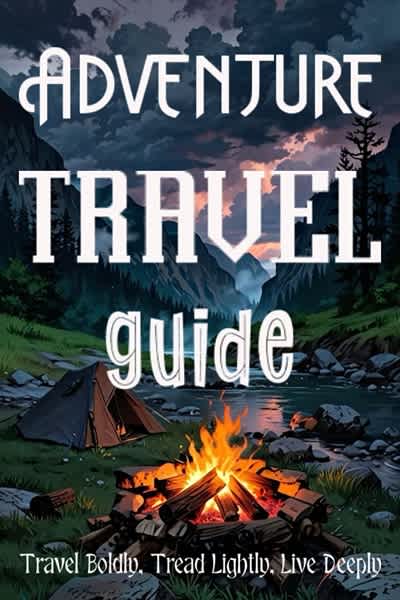
Adventure Travel Guide by Evelin Kholeli is an inspiring and practical handbook for anyone eager to explore the world through adventure. Whether you're a novice or a seasoned traveller, its well-organized sections cover everything from destination research and budgeting to safety, sustainability, and post-trip reflection, making it an invaluable resource. The tone is encouraging, emphasizing adventure as a mindset accessible to all, with tips tailored to diverse personalities and fitness levels.
This Hidden Cave Holds a Secret No Guidebook Will Tell You
Magic. Mischief. Murder.
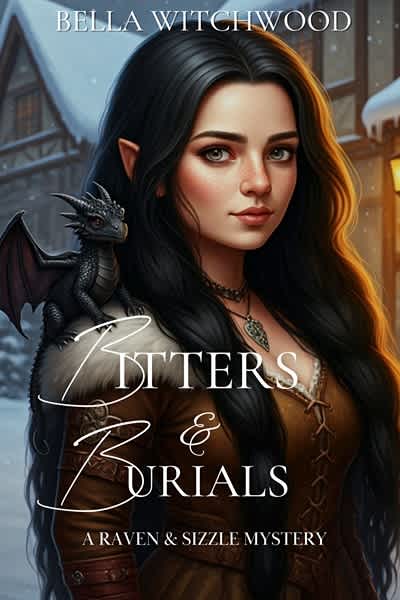
A Cozy Fantasy Mystery
Bitters & Burials: A Raven & Sizzle Mystery by Bella Witchwood is a delightful cozy fantasy mystery set in the snow-dusted, magical city of Vespera. Follow Raven, a sharp-witted half-dwarf, half-elf with a knack for magic, and her tiny, fire-breathing dragon Sizzle as they unravel the suspicious death of an alchemist amid glowing potions and hidden labs. Teamed with her sarcastic friend Jace and a charming city guardsman, Raven dives into a web of secrets involving a noble, a merchant, and a dangerous cartel. Blending whimsy, suspense, and a touch of romance, this enchanting tale of magical mischief and clever sleuthing will leave you eager for more adventures.
"Bitters & Burials"
"The Skygut Bake-Off"
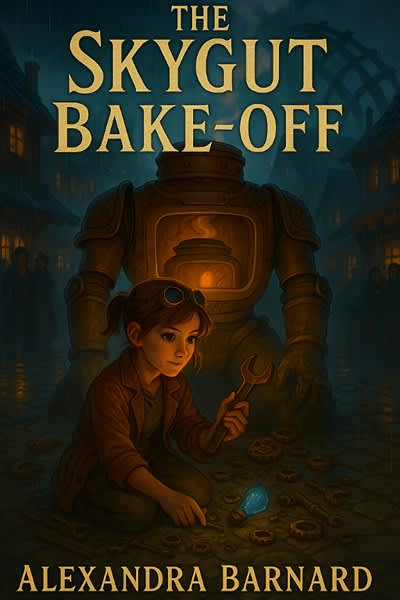
by Alexandra Barnard
In the rain-soaked village of Thornehold, where a sentient automaton oven fuels a legendary baking festival, apprentice tinker Tessa Crune battles doubt and betrayal to save the heart of her community. Alexandra Barnard’s The Skygut Bake-Off is a steampunk gem, blending quirky magic, heartfelt resilience, and the warmth of fresh-baked bread in a tale of self-discovery and triumph against the odds. Perfect for fans of found family and fantastical underdogs.
"The Skygut Bake-Off"
The Volcan Knights: The Beginning
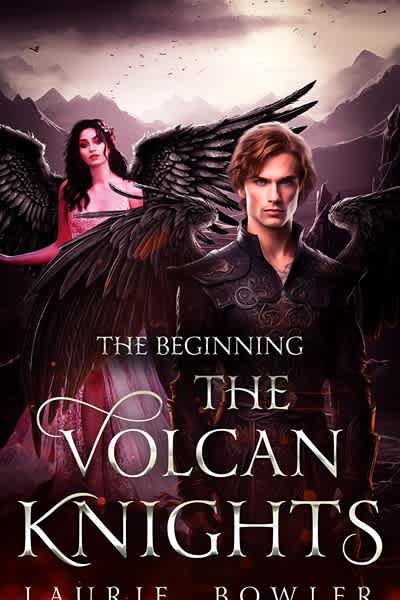
Amnesiac cop Zera discovers she's a Volcan Knight, a winged warrior and the first female of her kind, destined to protect humanity from soul-devouring shadow creatures. As her powers awaken and enemies hunt her, she must embrace her true identity and supernatural soulmate bond to save her stolen daughter in this gripping urban fantasy romance.
The Volcan Knights: The Beginning