Hey, and hello to new subscribers and regular readers.
I could not let 31 October pass without mentioning Halloween. Its roots trace to the Celts, who marked the end of harvest and the onset of winter with Samhain, when they believed the veil between life and death thinned.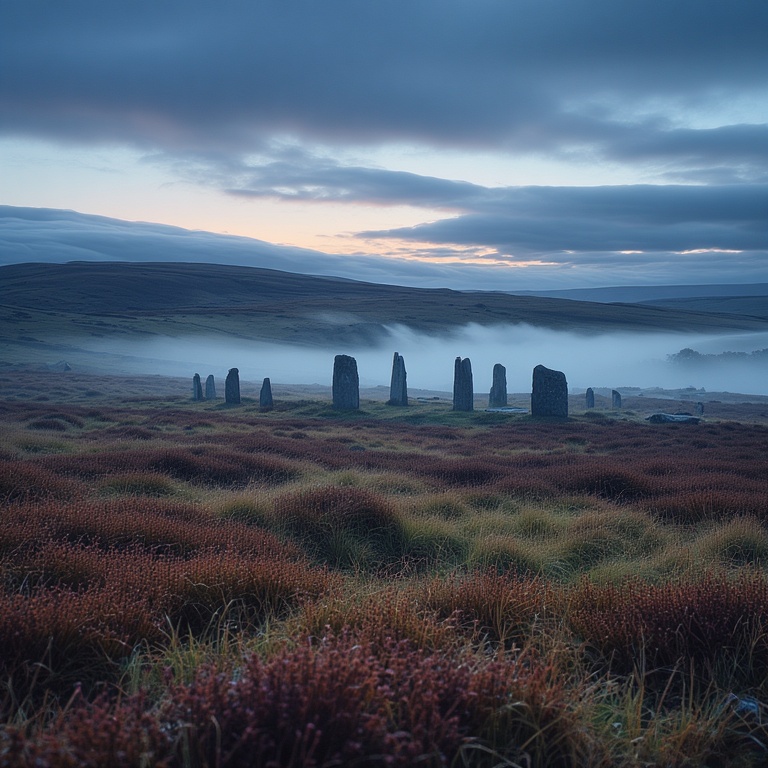
In the seventh century, Pope Gregory I encouraged missionaries to overlay Christian holidays on pagan ones, a tactic later called interpretatio Christiana. His 601 AD letter to Mellitus, advising Abbot Augustine in Britain, spells it out clearly: The temples of the idols should on no account be destroyed but converted to the worship of the true God, so the people, seeing their temples are not destroyed, may abandon idolatry and resort to these places as formerly. By the eighth century, All Saints’ Day on 1 November ensured the night before became All Hallows’ Eve.
The Romans mastered cultural absorption. When they conquered new lands, they rebranded local gods as versions of their own. Tacitus, in Germania 43, wrote, They worship Mercury above all... on certain days, they consider it lawful to offer human sacrifice. In his account, the Germanic god Wodan, or Odin, becomes Mercury.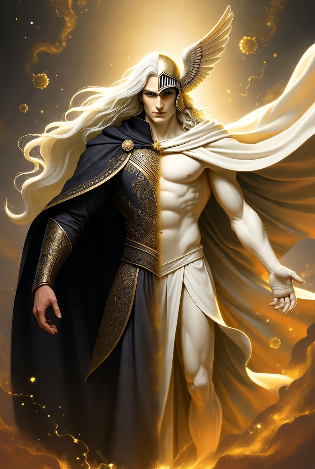
The Apostle Paul does something similar, though differently, in Acts 17. He notices an altar to an Unknown God—a real Hellenistic habit noted by Pausanias and Philostratus, shrines raised as insurance against offending a forgotten deity.Paul seizes the idea: What you worship as unknown, this I proclaim to you.The God who gives to all life and breath and all things echoes Genesis.He quotes the Greek poets—Epimenides, In him we live and move and have our being, and Aratus, We are also his offspring.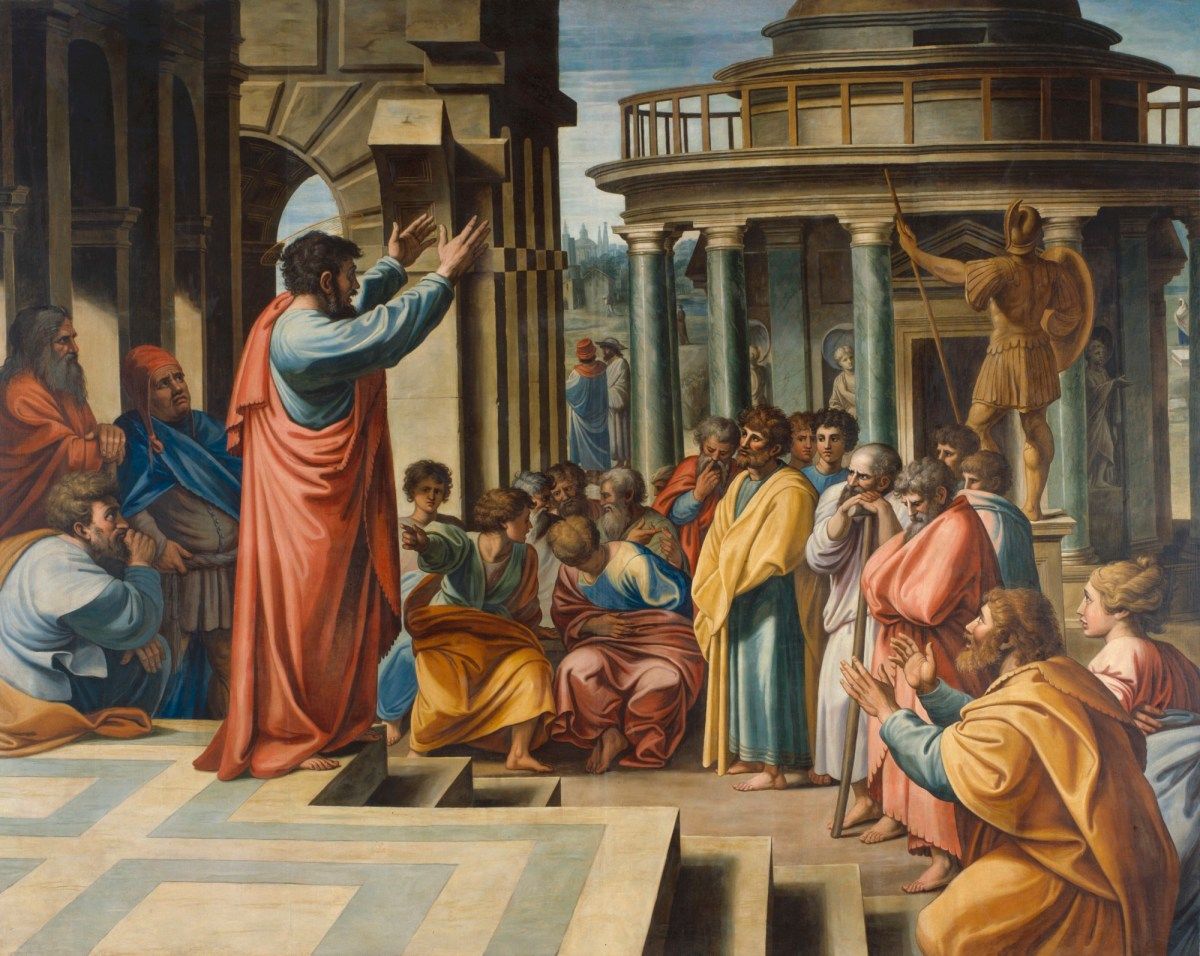
Syncretism blends gods into hybrids, as Tacitus fuses Wodan with Mercury. Paul does something else: it's not a Jesus-as-Zeus composite. He claims the altar outright— for Jesus, who died and rose again.
That segues into The Spectral Detective. Fiction is not reality; exaggeration is employed for dramatic effect, creating a caricature of reality, recognisable but at the same time unreal. Yet, like Paul, I try to recognise truth wherever it hides. The greatest challenge—and the most rewarding—lies in describing how a blind man can see.
Arthur King’s spectral sight perceives the spiritual realm, a reflection of the physical, though not in a simple mirror. It reflects too well. In the first months of blindness, his new sight overwhelms him with information. He sees too much.
King remains blind to the physical world. Yet his spiritual vision glimpses layers.
World-building means rules must make sense. So, a photograph clings to the echo of love or loss; a painting holds the pulse of its maker. However, a new picture or mass-produced images—posters, adverts—carry almost nothing.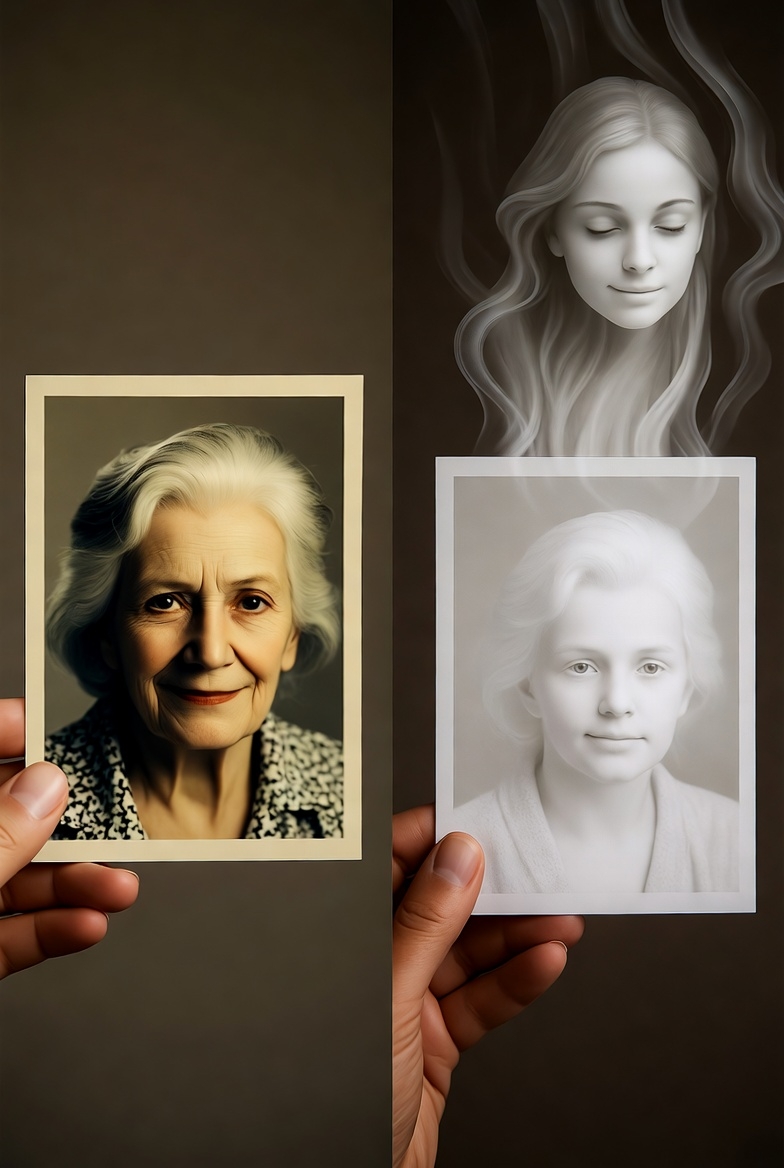
No one appears as they do in life. A small man might walk in the shadow of a giant self; a towering man might shrink to a frightened child. King receives not a map of reality but a cascade of symbols—a cryptic code to interpret.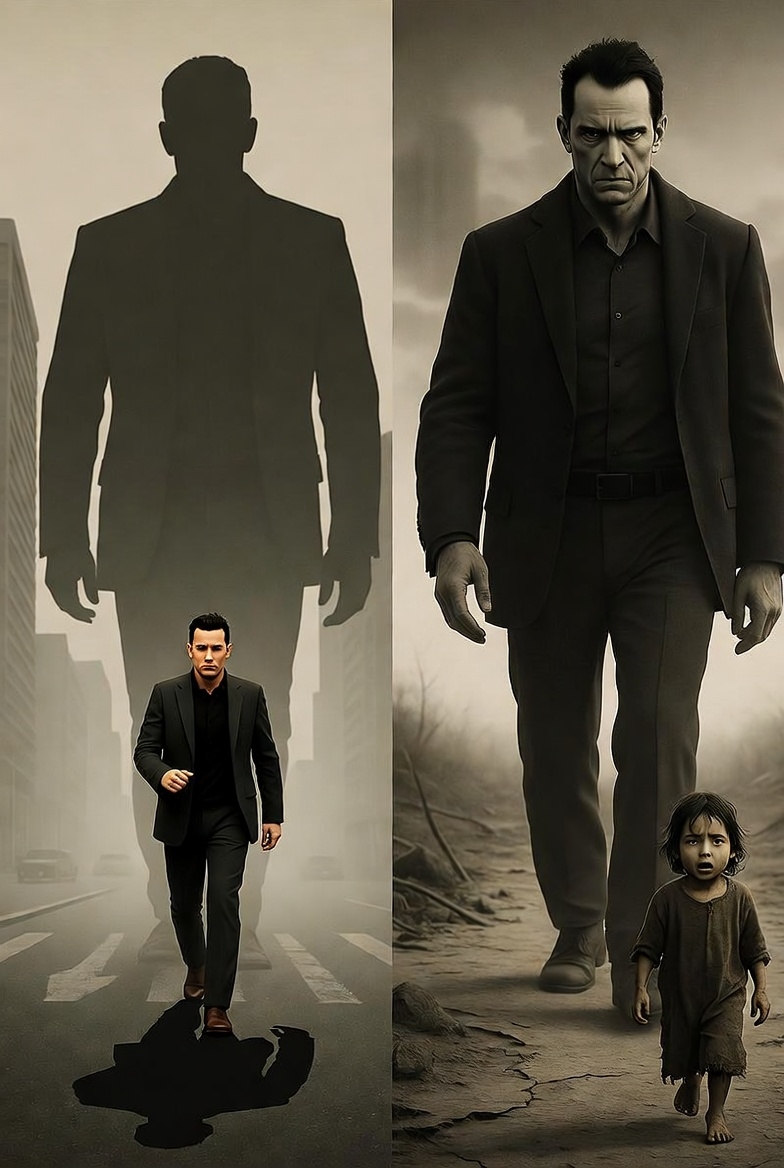
King learns to navigate the spectral world by discipline and habit. He trains his perception, filters chaos, and constructs order. He must learn to detect the truth, sifting through past, present, and future.In that flood of images lies his detective’s task. To see, he must first understand what his vision means.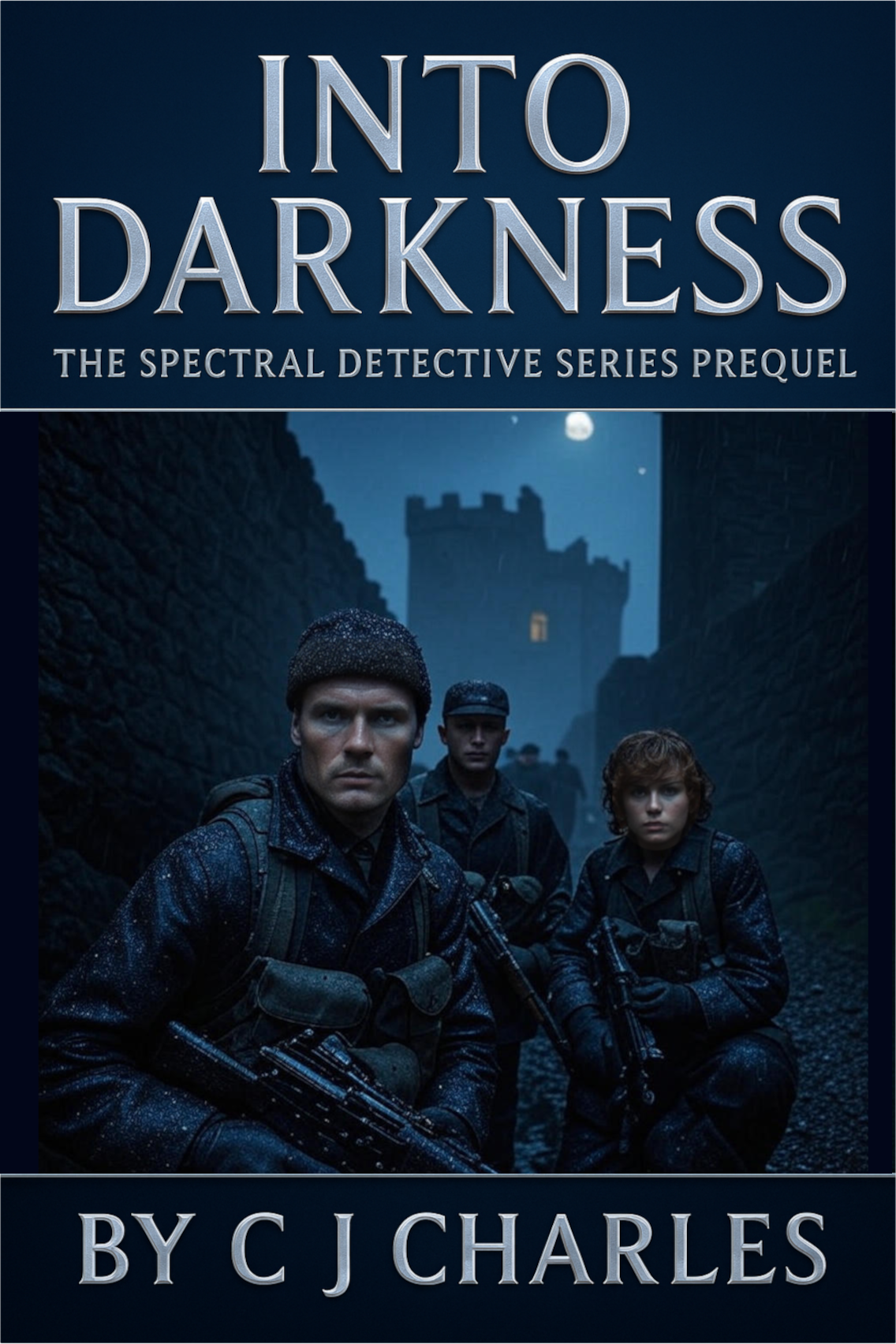
|
It's here!
The Spectral Detective Series: The Prequel | https://storyoriginapp.com/giveaways/a0dcf184-b67c-11f0-a2c6-a7f58b8bdacc
April 1945.
As the Third Reich crumbles, a covert Allied team is sent deep into the Thuringian mountains on a mission that doesn’t officially exist. Their orders: infiltrate a medieval castle seized by the SS and recover a relic hidden within its ancient vaults — an artefact whispered to defy reason.
Captain Arthur King, a soldier turned investigator, leads a handful of specialists into the heart of the fortress. With him is Maggie Clarke, a young codebreaker whose wartime brilliance has drawn her into a world far darker than cipher rooms and typewriters.
What begins as a desperate race against time becomes something else entirely — a confrontation with forces buried beneath centuries of war, myth, and secrecy.
In the final days of the Second World War, they will uncover that not all of history’s monsters are human.