Burning through the vanities to leave a seamless narrative.
Hey, and hello to new subscribers and regular readers—and to any irregulars, skirmishers, and fresh faces who wandered by.
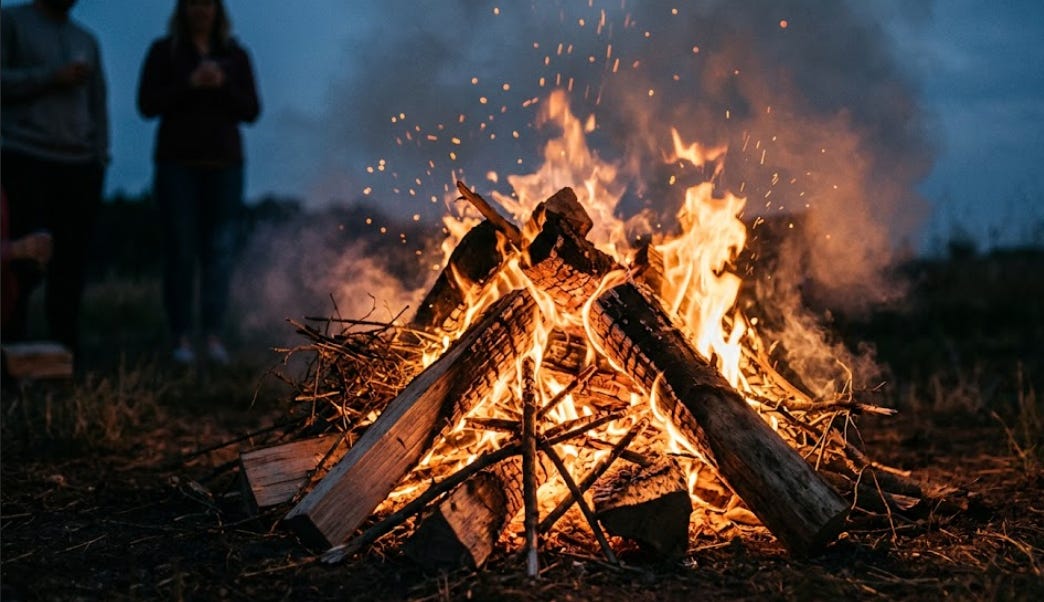
The Anatomy of the Flame
Ever built a bonfire?
Not of vanities, but of wood.
Back in the day, when men still hung around in caves, a campfire meant survival. Here, after the mammoth dinner, the storytellers would stand before the flames and feed their audience’s imagination.
Building a fire is a process. Any fire needs a good bottom; enough dry material to get going. Paper and card can act as an accelerant; smaller sticks and kindling ignite, allowing thicker, denser branches or timber to be added.
Timing at this stage matters. Move too slowly, and the fire can starve and die; too fast and heavier material might scorch, even light, but it dies out.
Density matters; too tight and the fire can’t breathe, too loose and the fire can die.
Get it right, you can start adding damp, green, even wet material, and that hot bottom will burn through it. Feed it right, and it’ll still be hot tomorrow.
The Historical Spark
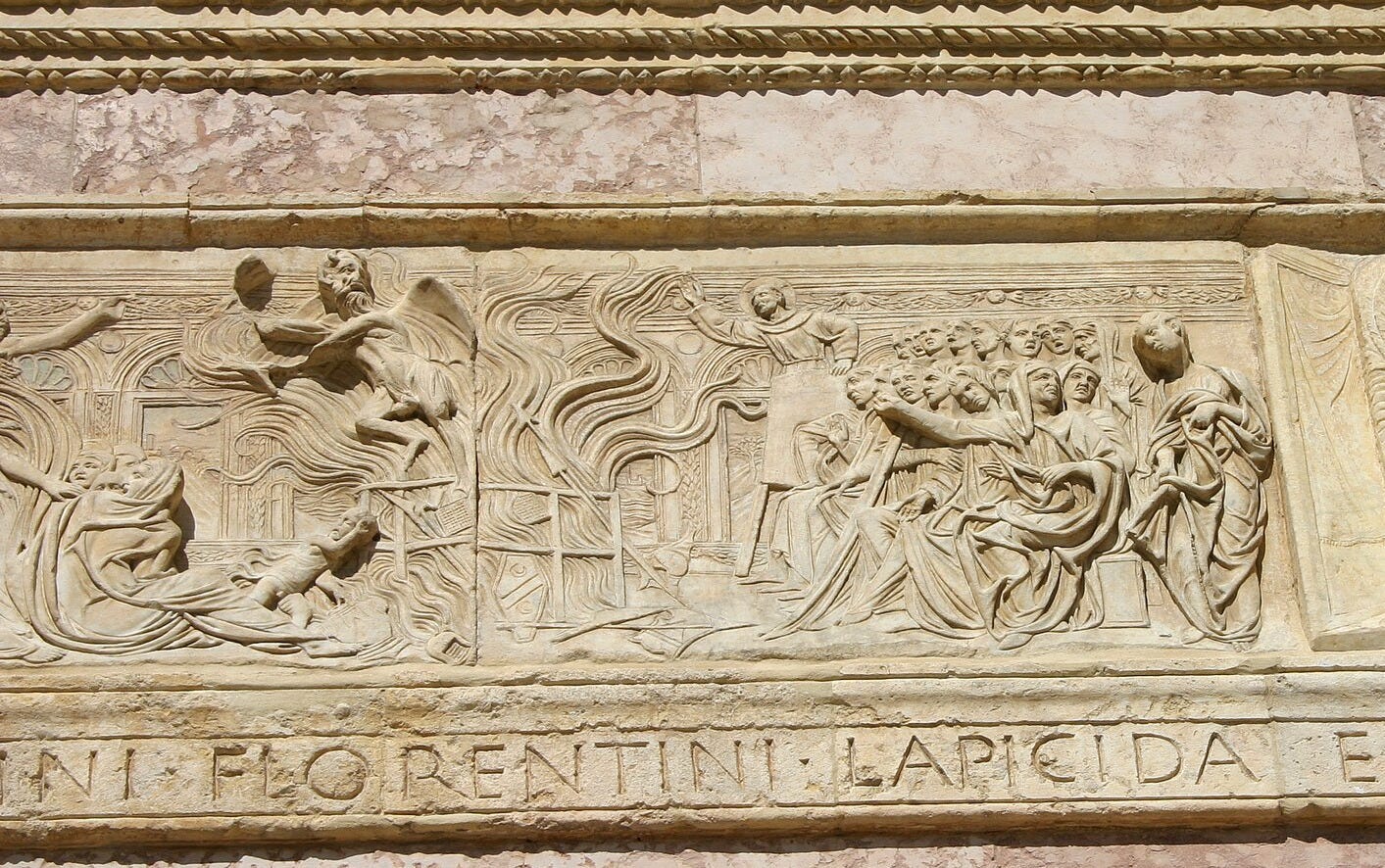
When Girolamo Savonarola took control of Florence, he sent bands of youths door-to-door to collect items deemed to be ‘vanities’—occasions for sin.
They built a massive, multi-tiered pyramid in the main public square, the Piazza della Signoria, and set it ablaze. A bonfire of the vanities that included silks, musical instruments, books by Ovid, and Renaissance masterpieces by Botticelli.
A bonfire of the vanities.
Writing a story is a creative process; here, the internal engine of the imagination is fuelled by vanities too—artists’ muses, inspiration, ideas.
Much like the bonfire, there’s a process. Get it right: the idea doesn’t burn out, it burns long, hot, and ferociously. Heat and light in the dark.
Here be Dragons
In Shelley’s Frankenstein, the eponymous doctor takes body parts and assembles them into the monster. Fire, the spark of life, is lightning captured in the bottle of the reconstituted man.
The writer takes inspiration from many places; the creative process fails if the result reads like a stitched-together copy-and-paste of other creators’ work. It could be criminal, too.
Instead, the process is more destructive—a fire, a crucible which transforms, so you don’t see the joins, only the colour inside the lines—the pictures in the words.
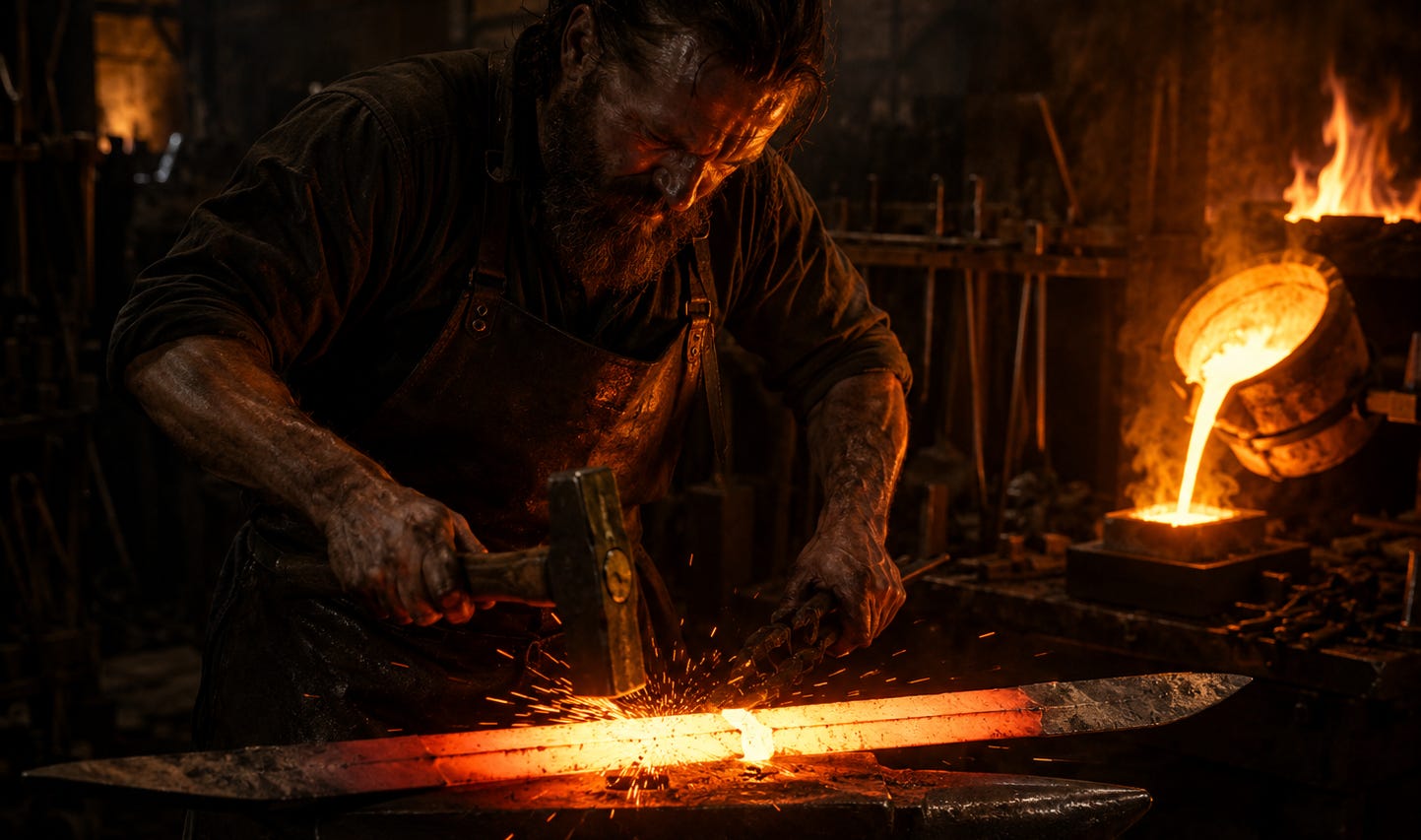
Fueling the Story Engine
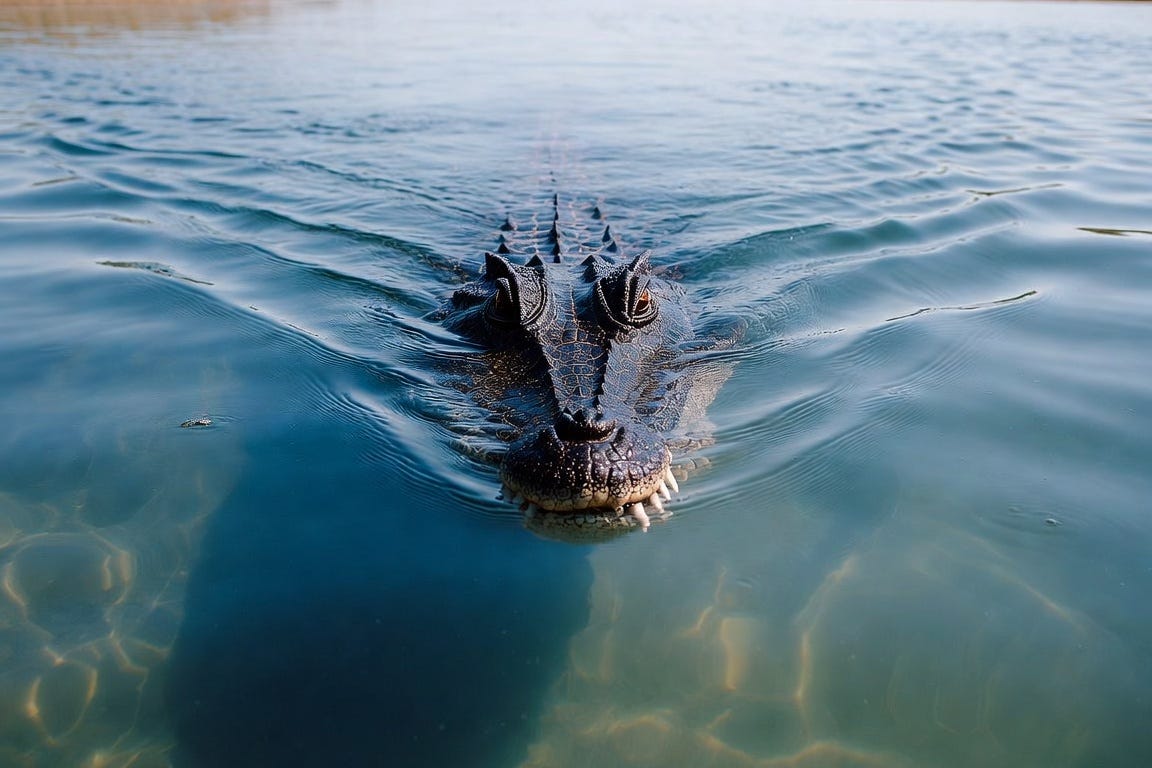
To the spark of Promethean Hubris, I might add a smattering of Tolkien: high-density mythic mass. World-building that is immersive and natural, like a Leviathan, a dragon in the sea, most of it unseen—nose and eyes, a pattern of scales, peek through the water, watching and waiting.
A dash of Asimov brings discipline, internal logic, and a grand sociological and technological framework to the mythic Leviathan.
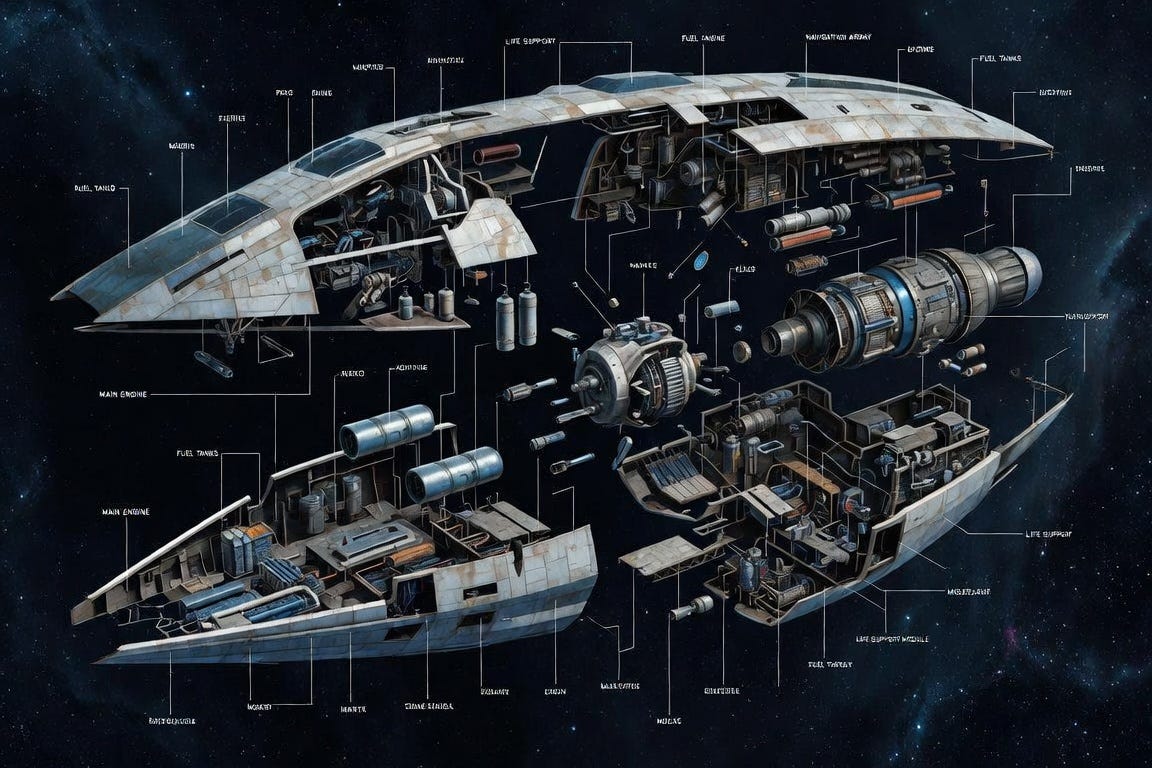
Petroleum on my fire—gas, or petrol—comes from Frederick Forsyth’s observation of what makes a thriller thrilling: relentless pacing, the logistics of plot in motion, that delivers a decisive moment or a cliffhanger to every chapter’s end, for one reason: to ensure the reader wants to keep turning each page to the end.
Heat drives the engine. Steam and gases are ephemeral; the sparks of ideas in the grey matter of the mind are no less tangible. Still, this is where narrative comes together.
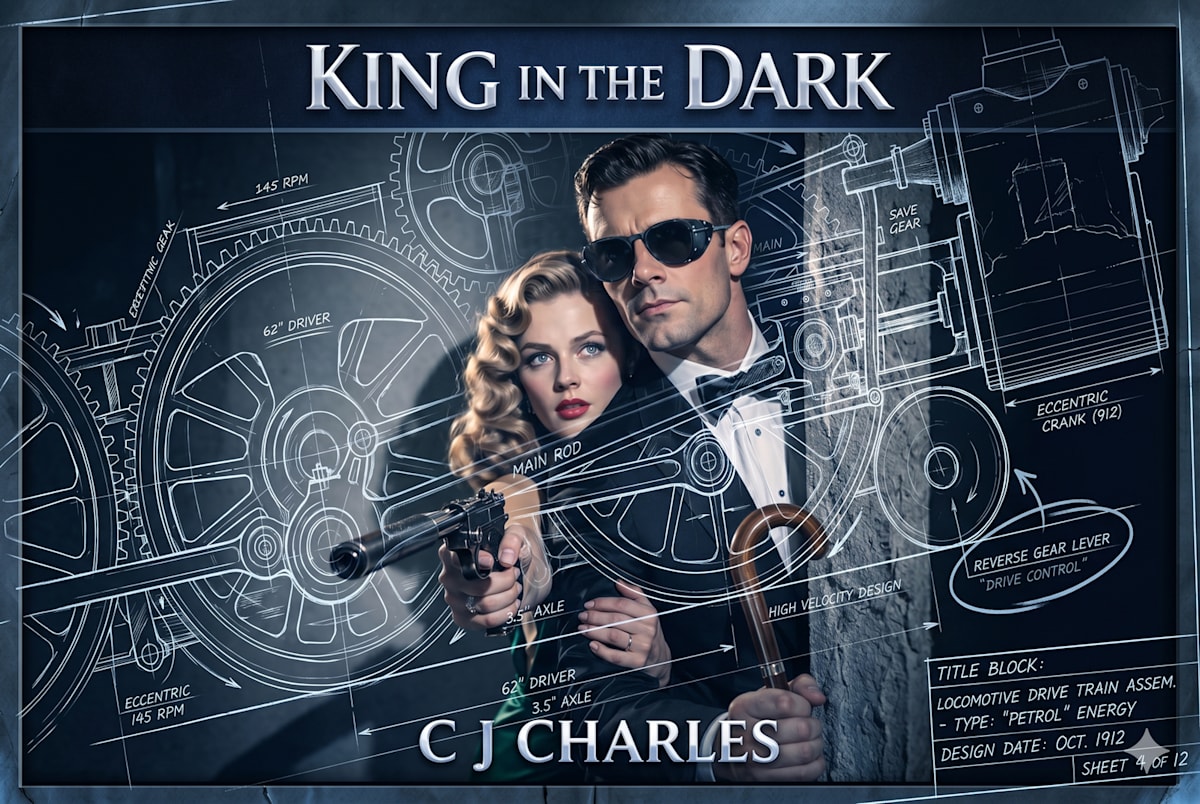
This creature is a story; it might run on rails, follow a winding route across a mountain pass, or take a circular track. The narrative might go where they don’t need roads.
In the end, the storyteller is just feeding a fire in the dark.